
"Doctor sahab, root canal ka kitna kharcha ayega — total?" The patient asks the only question that matters to them, and the dentist answers with a number that covers three visits, an X-ray, the crown, and two possible complications. Two visits in, the patient disappears. Was it the pain stopping? The cost? Did they simply forget? Nobody at the clinic knows, because there was no plan on paper — just a verbal estimate and a hopeful "next week ayega".
Multi-visit dental treatments — RCTs, implants, orthodontics, full-mouth rehab — are where dental clinics make their real revenue and lose their real money. The difference between clinics that thrive on these cases and clinics that constantly chase half-finished treatments is not clinical skill. It is treatment planning and recall discipline. Here is the system.
Why dental treatment plans fall apart
Three forces pull every multi-visit case apart. Money shock: the patient agreed to a total figure but the per-visit cost was never spelled out, so visit three's bill feels like a surprise. Pain relief: after the first sitting the pain is gone, and the patient's motivation evaporates — "ab to theek hai, crown baad mein lagwa lenge" (they never do). Forgetfulness: life intervenes, the appointment slips, and without a reminder the patient simply never reschedules. Research and clinic experience agree: the longer the gap between visits, the less likely the patient returns.
A written treatment plan counters all three: it makes costs predictable, it commits the patient to a sequence while motivation is high, and it gives your recall system something concrete to follow up on.
Anatomy of a treatment plan that patients accept
A good plan is a one-page document — printed or PDF — that the patient takes home and the clinic keeps on file. It contains: the diagnosis in plain words ("daarh mein infection, root canal zaroori hai"), every planned visit numbered with what happens at each, the cost of each phase separately and the total, the expected timeline ("3 visits, 2–3 haftay"), and what happens if they stop midway (the honest consequences: "crown na lagwaya to daant toot sakta hai").
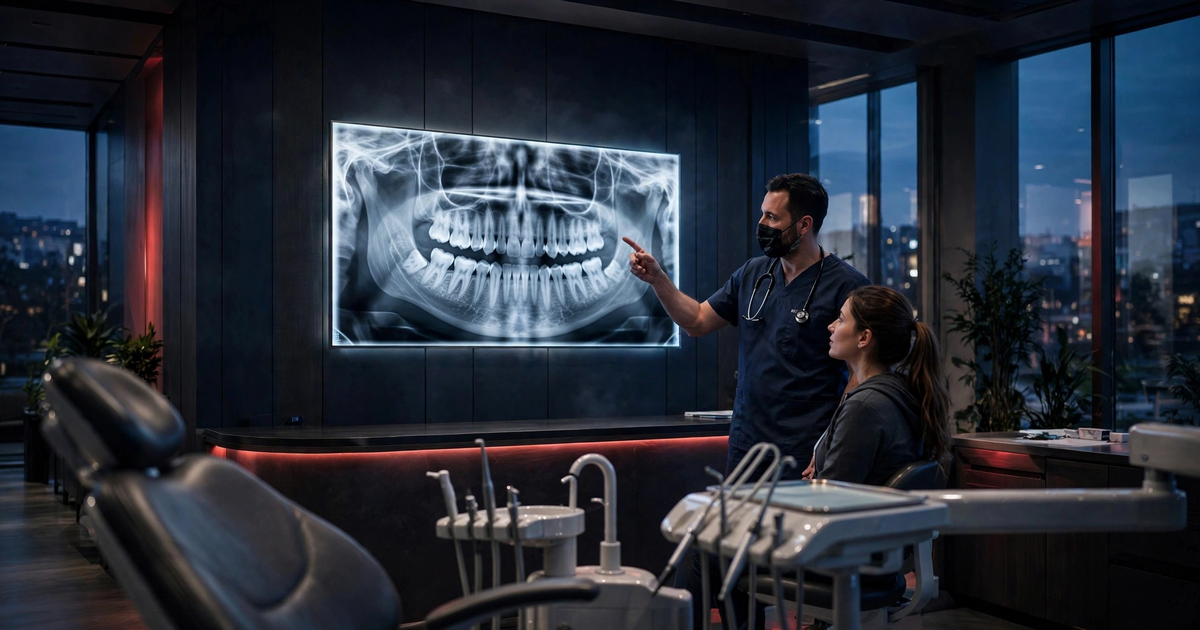
Present it chairside, not at reception. The dentist's two-minute walkthrough — pointing at the X-ray, explaining why each step matters — is what converts a plan into a commitment. Reception then handles the scheduling and the payment discussion. Splitting the clinical "why" from the administrative "how much, when" keeps both conversations clean.
Cost estimates per phase, not just a total
Always break the estimate by phase: RCT sittings Rs X, crown Rs Y, X-ray Rs Z. Patients budget visit-by-visit, and a phased estimate lets them say "iss month RCT, aglay month crown" instead of walking away from a scary total. It also protects you — if the plan changes mid-treatment, you adjust one phase's figure instead of renegotiating everything. Our dental pricing guide covers how to set these phase prices sensibly.
Write down the "if you stop" consequences
This feels uncomfortable but it is the most important line on the plan. Patients who understand that an uncrowned RCT tooth fractures — turning a Rs 25,000 treatment into a Rs 60,000 implant — come back. Those who were never told blame the clinic when it happens. Put it in writing, in Urdu, and have the patient acknowledge the plan.
The recall system: where the money is
A recall system is simply a disciplined habit of contacting patients who are due — for the next phase of treatment, for a review, or for routine six-monthly cleanings. Most dental clinics in Pakistan run on memory and hope; the clinics that systematize it see dramatically fewer dropouts.
The three recall lists
Active treatment recalls: patients mid-plan whose next visit is overdue — contact within 48 hours of a missed appointment, then weekly for three weeks. Review recalls: post-treatment check-ups (implant reviews, post-ortho retainers, crown checks) — scheduled at discharge, reminded a week before. Hygiene recalls: six-monthly scaling and polishing — the steadiest recurring revenue in dentistry, and the appointment type patients most need reminding about.
How to remind without annoying
WhatsApp is the channel — SMS is ignored, phone calls are for the second reminder. One message, warm and specific: "Assalam-o-Alaikum Ahmed bhai, aapka crown ka appointment kal 6 baje hai. Confirm kar dein?" Personal beats templated; the patient's name and the specific treatment beat "aapka appointment hai". Two reminders maximum per cycle (a week before, a day before), then a "we missed you" message offering rebooking. Never more — pestering destroys goodwill.
Track why patients drop out
When a patient abandons treatment, find out why — a quick call, honestly framed: "koi masla hua tha?" Log the reason: cost, pain fear, shifted city, went to another clinic. Within months you will see your pattern, and it is almost always fixable: cost dropouts need phased payments, fear dropouts need a reassurance call from the dentist, "forgot" dropouts need a tighter reminder cycle.
Reducing dropouts between visits
Beyond recalls, four habits keep multi-visit cases on track. Book the next visit before the patient leaves the chair — "next week" agreed vaguely at reception becomes never; a dated appointment card becomes a commitment. Take phased payments, not lump sums — collecting per phase removes the biggest dropout trigger and matches how patients actually budget. Send the patient home with the plan — the printed/PDF treatment plan on their phone is a quiet salesman that keeps selling between visits. Call, don't wait, after a missed visit — the 48-hour rule: every day of silence makes return less likely.
For orthodontics and implants — the longest, most expensive cases — consider a dedicated coordinator: one staff member who owns the recall lists, makes the calls, and knows every active case by name. In a clinic doing even ten ortho cases, this role pays for itself many times over. See our dental clinic solutions for how the pieces fit together.
Mistakes that bleed multi-visit revenue
Verbal-only estimates
"Taqreeban 30-35 hazar lag jayega" evaporates the moment the patient leaves. Written, phased, acknowledged — or it did not happen.
No-show without follow-up
A missed appointment that nobody calls about teaches the patient that attendance is optional. Every missed visit gets a call within 48 hours, no exceptions. Our no-show calculator shows what silent no-shows really cost.
Treating recalls as reception's side job
Recalls done "when free" never get done. They are a scheduled daily task with an owner, a list, and a target — or they are fiction.
How Clendra helps
Clendra builds the treatment plan with you: phased visits, per-phase costs, printed/PDF plan for the patient, all filed under the patient's MR number. Recall lists generate automatically — overdue treatments, due reviews, six-month hygiene — with WhatsApp-ready reminders, and dropout reasons are logged per case so your patterns become visible. See how it works or get early access.
Frequently asked questions
Should I take full payment upfront for multi-visit treatments?
Rarely. Phased payments per visit reduce dropouts and match patient budgets. For long cases like ortho, a structured plan — advance plus monthly installments — works better than either extreme.
How soon should I contact a patient who misses a treatment visit?
Within 48 hours. Contact rates and return rates both collapse with each passing day. A warm, specific WhatsApp message first; a phone call if that goes unanswered.
What is a realistic dropout rate for RCT cases?
Clinics without a recall system commonly lose 20–30% of RCT patients before the crown. With written plans and active recalls, under 10% is achievable. The crown stage is where most dropouts happen — guard it hardest.
How do I price a treatment plan with uncertain phases?
Quote firm prices for certain phases and ranges for conditional ones ("agar post lagana para to..."), in writing. Patients accept conditional costs when they are disclosed upfront; they resent them as surprises.
Are six-monthly hygiene recalls really worth the effort?
Yes — they are the highest-ROI recall in dentistry: low chair time, steady revenue, and they keep the patient relationship warm so the next big treatment stays with you instead of going to the clinic that reminded them.